
Spotting Red Grouse on Heather Moorland
Why Moorland Weather Catches People Out
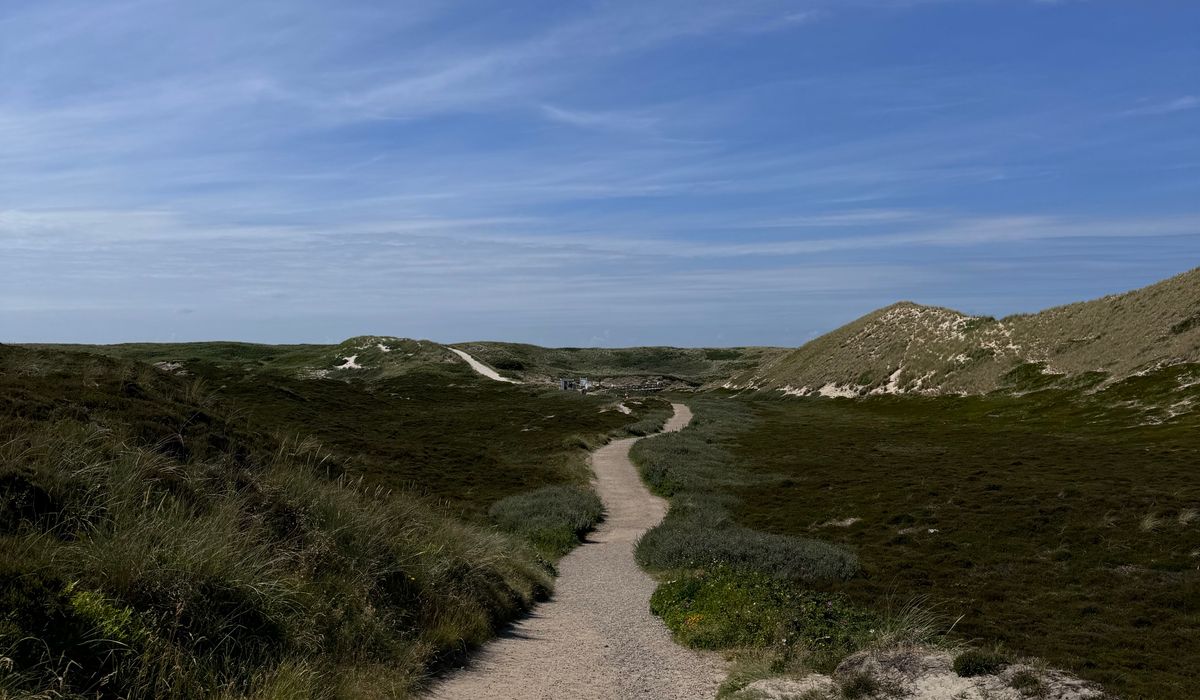
Stand on a moorland edge on a bright morning and it is easy to believe the day is settled. Two hours later you can be inside a cloud, leaning into a wind that has doubled in strength, with the path you were following nowhere to be seen. Open moorland sits high, exposed and often far from shelter, and it creates its own weather. Air forced upwards over high ground cools and condenses, so cloud can form over a plateau while the valleys below stay clear and sunny.
That is the trap. You judge the day from the car park and dress for the car park. The result is parties setting off in T-shirts and returning after dark, cold and disoriented, having walked a fraction of their planned route. A little preparation turns a stressful day into a memorable one.
Reading the Forecast Properly
Check the forecast in the days before, not just the morning of, and look for trends rather than a single number. A worsening pattern is your warning sign.
- Wind speed and gusts. Gusts matter more than averages. Anything sustained above roughly 40 mph makes walking on exposed ground difficult and navigation unreliable.
- Temperature with height. Expect it to drop by roughly one degree Celsius for every 100 metres of ascent. A valley at 10°C can be near freezing on a 600-metre top.
- Cloud base and visibility. If the cloud base is forecast below your high point, plan for compass work rather than views.
- Rainfall totals over the previous days. Saturated peat and full streams are what boggy crossings and difficult fords are made of.
Then accept the limits of the forecast. Mountain conditions often change faster than any model predicts, so treat the forecast as a range of possibilities and be ready for the worst end of it.
Layering for Four Seasons in an Afternoon
Dress so you can add and remove quickly, because you will do both. Start with a wicking base layer — never cotton, which soaks and chills. Add a fleece or light synthetic mid layer, and carry a waterproof and windproof shell with a hood that stays put in a gust.
- Spare insulated layer in the pack, even in July
- Hat, gloves and a neck buff, kept accessible rather than buried
- Waterproof over-trousers — wet legs drain heat fast
- Spare socks in a dry bag
Stop before you get cold, not once you already are. Eat and drink on the move or during short sheltered breaks; a hot drink from a flask is worth its weight when morale dips.
Navigation and Escape Routes
Before you leave, decide how you will get off the moor if the weather turns. Look for handrails — walls, fences, streams or tracks that lead you reliably downhill to a road or a valley path. Note two or three of them on your map and know which direction to walk to reach the nearest one.
Carry a paper map and compass and know how to use them, even if you also use a phone or GPS. Batteries fail in cold, screens crack, and signal on high ground is patchy at best. Set a turnaround time and stick to it. Being back at the car in daylight matters more than reaching the summit.
Allow generous time. Rough tussock, heather and peat hag will slow you to perhaps two kilometres an hour, so add at least a third to your estimate on pathless ground. Plan a route with easy bail-out points rather than a committing loop across the middle of nowhere.
Ground Hazards and Wildlife
Peat bogs, groughs and hidden drainage channels are the classic moorland hazards. Test uncertain ground with a pole, step around dark, glistening patches, and cross streams where they are widest and shallowest rather than at a narrow, fast-flowing neck. Steep gritstone edges and old quarry or mine workings deserve a wide berth, especially in mist.
Moorland is also precious habitat. Ground-nesting birds such as curlew, golden plover and ring ouzel are easily disturbed between March and July, so keep dogs on a short lead and give nesting areas a wide margin. Adders bask on warm paths in spring — step around rather than over. Sheep and cattle graze widely; give them space, keep dogs under control near livestock, and always leave gates as you find them. Take everything home with you, including fruit peel and crumbs.
Deciding to Turn Back
If visibility drops, stop, put on your spare layers, eat something and take a bearing. Walking on in the hope that it will clear is how people get lost. Often the safest option is to retrace your steps, or to follow a handrail down to a known valley, rather than continue to a summit you can no longer see.
Tell someone your intended route, your car location and the time you expect to be back, and message them when you are down. A short text at the end of the day has saved a great many unnecessary call-outs. Moorland rewards good judgement, and good judgement starts long before you lace your boots.
LEAVE A COMMENT