
Heating a Country Cottage with Sustainable Wood
Why the Red Grouse Is Worth the Walk
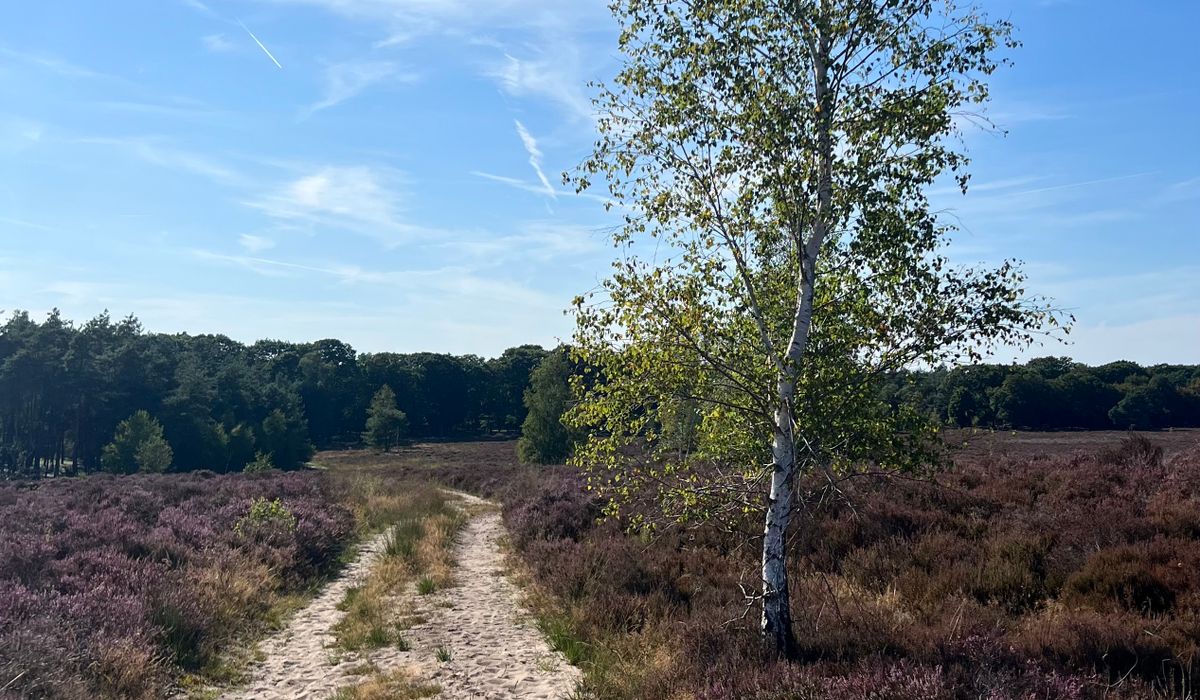
The red grouse is a bird you simply cannot see anywhere else on earth. It lives only in Britain and Ireland, and it is tied so tightly to heather moorland that the two are almost impossible to picture apart. A day on the moors with even a modest chance of one is a day well spent, and learning to find them turns a pleasant tramp into something closer to a treasure hunt.
They are also among the more achievable moorland specialities. You do not need luck on the scale of a hen harrier or a merlin. You need heather of the right age, a bit of patience, and ears that know what they are listening for. Late summer and autumn are especially good, when family parties gather into loose packs and the moors are busy with birds feeding up before winter.
Listen Before You Look: The Go-Back Call
Most people find their first red grouse with their ears. The cock bird's display call carries a long way over open ground and is unmistakable once learnt — a hard, barking “go-back, go-back, go-back”, often quickening towards the end, sometimes described as a chuckling cackle. It has a ventriloquial quality, sounding nearer or further than it really is, which is exactly why it trips up beginners.
Stop the moment you hear it. Stand still, turn your head slowly, and work out the direction. Then take a few quiet steps and listen again. A flushed bird also gives a sharp, scolding “bek-bek-bek” as it goes, so if the whole moor suddenly seems to be complaining at you, you have probably walked too close already.
- Learn the go-back call from a recording before you go out — it is worth ten minutes of homework.
- Walk into the wind. Scent and sound carry away from you, and birds are less likely to flush early.
- Pause every fifty paces or so. Two or three seconds of stillness often produces a call you would have walked straight past.
- Cupped hands behind your ears genuinely help you pinpoint direction on a breezy day.
Reading the Heather: Where They Actually Sit
Grouse want heather of mixed ages. Short, recently burnt or grazed patches give them fresh green shoots to feed on; taller, leggy stands a few years older give them cover to hide in and nest under. Where you find those two side by side — often along the edge of a muirburn strip or beside a wet flush of cotton grass — you find grouse.
Look low and look close. A sitting bird shows as a small, dark, reddish-brown mound, and its plumage is astonishingly good against burnt heather stems. Watch for the cock bird's bright red eyebrow combs, visible as two scarlet flashes above the eyes, especially in spring when he is strutting along a tussock or a low mound and seeing off rivals.
Other signs are easier to spot than the birds themselves:
- Droppings — purplish-brown, cylindrical, and often left in little heaps on tussocks or stones.
- Dust baths — shallow scraped hollows in dry peat or loose soil.
- Feeding sign — heather tips nibbled back, and flowering cotton grass heads stripped of their white tufts.
- Feathers — barring and a dark base are a good hint you are in the right patch.
Timing Your Visit
Early mornings are best. Get out for the first hour or two after dawn, when birds are on the move, calling freely and feeding in the open. Cold, still, bright mornings with a low sun behind you are ideal, and after a hard frost the birds often sit tight on the tops of tussocks to catch the first warmth.
March and April bring the peak of display, with cocks calling from mounds and chasing each other in low, whirring flights. From late August onwards you will start to see coveys of five to fifteen birds, often with several family groups loosely together. Midwinter can be quiet and the birds more concentrated on sheltered, south-facing slopes, but a still frosty day can still produce a dozen or more if you pick your ground well.
Keeping a Respectful Distance in Breeding Season
This is the part that matters most. Red grouse nest on the ground between roughly April and July, and a sitting hen will often hold tight until you are almost on top of her before bursting away. That is stressful for the bird and, worse, it draws attention to a nest that crows, gulls and foxes find very easily.
The same applies to the curlew, golden plover, dunlin and lapwing sharing the moor. So please:
- Keep to established paths and access land rather than striking out across nesting habitat.
- Keep dogs on a short lead from March to the end of July, and under close control at all other times.
- If a bird flushes or starts calling anxiously, back away the way you came — do not press on to “get a better look”.
- Use binoculars and a long lens rather than your feet. Eight by forty or ten by forty-two binoculars are ideal.
- Never linger near a nest, a chick or a distraction-displaying adult.
Moorland Etiquette and Kit That Works
Wear boots you trust and gaiters if you plan to cross wet flushes — the moor is boggier than it looks. Take waterproofs, water, a map, and a spare layer, because weather turns fast up there. Long trousers tucked into socks are worth the indignity given how many ticks live in rough grazing.
Close every gate behind you, take all litter home, and leave the heather as you found it. Do not light fires, and keep to the path where erosion is already a problem. Tread quietly, stop often, and let the moor come to you — that is how the best grouse encounters happen.
LEAVE A COMMENT