
Creating a Wildlife Pond in a Small Garden
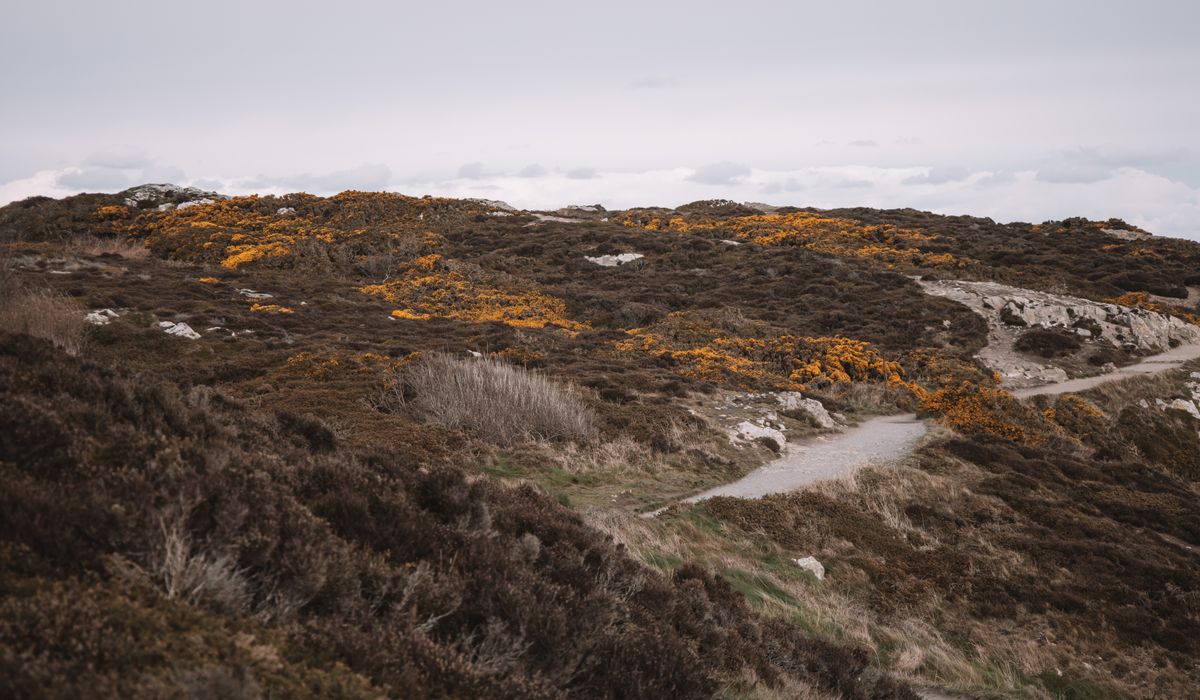
Why the Well-Trodden Path Isn't Always the Best One
Most of us fall into the same habit. We park at the popular car park, follow the waymarked loop, and end up walking in a loose procession of other people doing exactly the same thing. On a Saturday that's fine — there's a sociable pleasure in it. On a quiet Tuesday in February, it can feel like a missed opportunity.
There's a second reason to think about which paths we use, and it's one that matters more each year. Popular upland routes take a pounding. A single well-known ascent of a Lake District or Peak District fell can carry hundreds of boots a day through the warmer months, widening into braided scars of bare peat and loose grit. Those scars don't heal quickly; on high ground, vegetation grows slowly and erosion runs ahead of recovery. Choosing a less-used line isn't just about finding solitude. It's a small, practical act of care for the ground under your feet.
Knowing What You're Actually Walking On
The public rights of way network in England and Wales is more varied than many walkers realise, and the differences matter when you're hunting for quiet routes.
- Footpaths are for walking only, and they're the most common right of way — which also means the busiest.
- Bridleways carry walkers, horse riders and cyclists. Because they're often wider and follow older droving or farm routes, they frequently take quieter, more sheltered lines across a parish.
- Restricted byways are open to walkers, riders, cyclists and horse-drawn vehicles, but not to motor traffic. They can be wonderfully empty.
- Permissive paths exist by the landowner's goodwill rather than by law — often opened to spread pressure away from a fragile main route. They may be closed at certain times, so check notices at gates.
Your local highway authority keeps the definitive map of rights of way, usually available to view online, and it shows exactly what runs where. In Scotland the picture is different: the right of responsible access under the outdoor access code covers most land, but the same principle applies — look for the quieter line rather than the obvious one.
Reading a Route Before You Walk It
Map reading is the quiet walker's best tool. On a large-scale walking map, look for the paths that sit away from car parks, tearooms, viewpoints and summit trig points. A path that begins from a lane-end with room for one car, rather than a purpose-built car park, is usually ten times quieter.
A few signals worth seeking out:
- Paths that run along field edges and hedgerows rather than straight up the fall line of a hill.
- Routes linking two minor lanes, which rarely form part of a published circuit.
- Bridleways crossing farmland at a gentle gradient — often old, well-drained and pleasantly enclosed.
- Woodland tracks and permissive paths on estates, which are frequently under-used on weekdays.
Contour spacing tells you how steep the ground is; tight brown lines means loose scree and erosion risk, so avoid those in wet months even if the line looks tempting.
Reading the Ground as You Go
Once you're out, the path will tell you how many boots it carries. Look for the tell-tale signs of a light-use route: grass growing down the centre, a narrow single line rather than a sprawl three metres wide, no litter, no boot-polished mud, no improvised diversions around boggy patches.
Where a path does braid into several parallel lines, stick to the firmest, most established tread rather than adding a new strand. On peat, that means walking on stone or matting where it's been laid, even if it feels slightly awkward. Widening is what does the damage.
If you meet no one all day, that's the sign you've got it right — but do tell someone where you're going. A quiet path is still a path, and mobile signal in a wooded valley or behind a fell is often nonexistent.
Wildlife, Seasons and Small Courtesies
Quiet routes are quiet for a reason: they're often the best wildlife corridors. Ground-nesting birds such as curlew, lapwing, skylark and meadow pipit nest between March and July on rough pasture and moorland. If a bird starts calling sharply or feigning a broken wing, you're near a nest — back away along the line you came and take a different route.
- Keep dogs close and under control around livestock, particularly during lambing and calving. On moorland, keep them on a short lead through the nesting season.
- Give roe deer, hares and adders space. Adder are slow to warm in spring and easy to disturb on south-facing banks.
- Close gates behind you, even where they were open, unless a sign says otherwise.
- On permissive paths, be gracious if you meet the landowner. Their goodwill keeps these routes open.
- Check for ticks afterwards — long grass and deer country go together.
Winter and early spring are the best months for the quietest walking, but also the wettest underfoot. Upland peat and clay both churn badly in January, so save the high, fragile lines for a hard frost or a dry summer week, and keep to lower bridleways, field edges and woodland tracks in the wet.
Building the Quiet Walk Into Your Week
None of this requires exotic planning. Buy the map sheet for your local area, spread it on the kitchen table, and look for the paths you've never noticed — the ones that don't lead anywhere famous. Plan a two-hour weekday loop that starts from a lane end and follows a bridleway or permissive route rather than a honeypot footpath.
Alternate your routes through the year so no single line gets hammered by your own boots. Wear supportive boots with a decent tread, carry a simple map and compass, take a flask, and accept that you may spend the whole walk seeing nothing but a buzzard and a gate that needs lifting. That is, on balance, the point.
LEAVE A COMMENT